Happy New Year Emmaus Rotary. It has been my pleasure serving as your Trumpet Editor over the past year. I now pass the keyboard to Lexa and wish her the best as becoming Editor in Chief. PS... Lexa, my telephone number is unlisted so your on your own!
Happy New Year 2018! I hope you all enjoyed the holiday season with friends and family. It feels great to start fresh with a brand new year and everything it promises for all of us.
In Rotary, January 1st is actually the half-way point of our operating year. So, while are counting the blessings of the past calendar year, we are also seeking to finish our Rotary year on a high note by achieving as many of our goals as possible.
This week’s club assembly is a terrific opportunity to celebrate the club’s success during the last six months and to focus our attention on the what lies ahead of us in the coming six months. See you on Thursday morning!
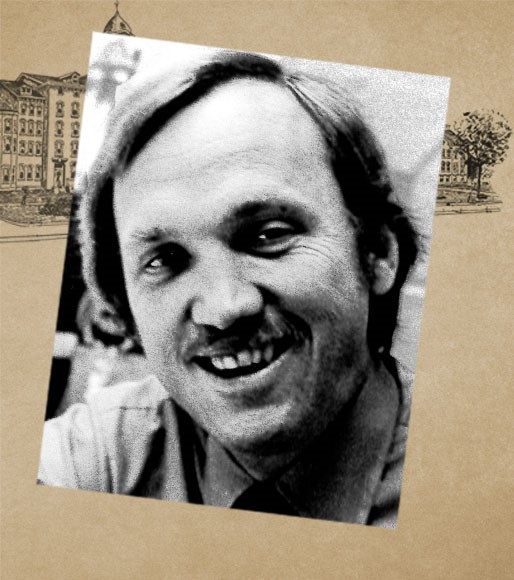
Roger's picture from his early days at Kutztown University.
Roger took the time out of his busy schedule to bring us up to date on his thoughts on Russia and Putin today. He gave some interesting ideas about Putin and what the world thinks of him today. However Roger believes that we as the western world need to take some responsibility for the way that Putin is acting on the world stage today. Roger explains that while Putin was rising to power the Russian people a proud people were subject to decolonization, De- Add to dictionary, De collectivism, few societies have ever undergone such a transformation in such a short period of time. Result of all this change along with economic destabilization it produced an angry society. Yeltsin turned to the West for help received a lot of theory but no monies to back the theories. Putin was the person that could change the landscape. In 1998 there was a severe economic downtown in Russia, giving Putin the ability to rise in the Russian world. Yeltsin handpicked Putin. In 1999 Yeltsin came on to TV gave an emotional speech describing his tenure in his Presidency.
The event that gave Putin his power was the war in Chechnya. Putin proved he could stop the De Colonization of Mother Russia. Dr. Roger Whitcomb did an incredible job of explaining why Putin and Russia are where they at today.
Please see Roger's who Speech on You Tube to be available in two weeks on Emmaus Rotary You Tube.
If you have some interest in what Roger had to say please take a moment and read his book "The Cold War in Retrospect: The Formative Years".
Dr Whitcomb spent 34 years as a Political Science Professor at Kutztown University. He has also spent considerable time traveling back and forth to Russia where he lectured at the Diplomatic Academy of the Russian Foreign Ministry. He spent considerable amounts of time doing research in the archives of the Former Soviet Union. Today Roger is Retired and spends a lot of his time traveling with his wonderful wife.
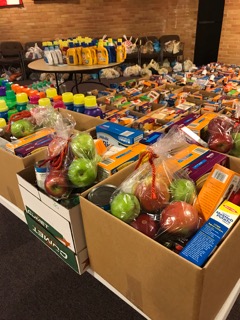
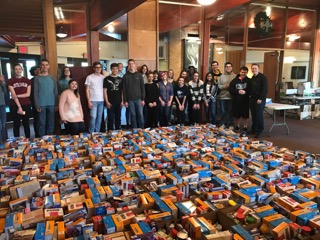
A warm thank you to everyone who helped with the Angel Network Fall Food Baskets and Student Gifts. We gave out 150 baskets in November and 156 this week to deserving East Penn families. 181 students received holiday gifts from generous donors.
It takes ALL of us to make this amazing project happen. We have over 35 community and school organizations, dozens of student volunteers, many adult helpers, and hundreds of donors participating. The families receive baskets with over 40 pantry and personal care items, fresh fruit and baby carrots, and a $10 gift card to purchase perishables. They are able to choose from a large selection of clothing and coats at basket pickup, as well as extra food.
I wish we could share the heartfelt thanks, tears and gratitude from these families.
Have a wonderful Holiday Season and Happy New Year!
Yes. We generally collect food and money at our first regular meeting of each month. Last week, we met off site with our Interact Club at Emmaus High School. So we will be looking for your contributions when we return to Brookside on Thursday, Feb. 8th. Bring canned goods and staples. Donate a few dollars. Thank you.
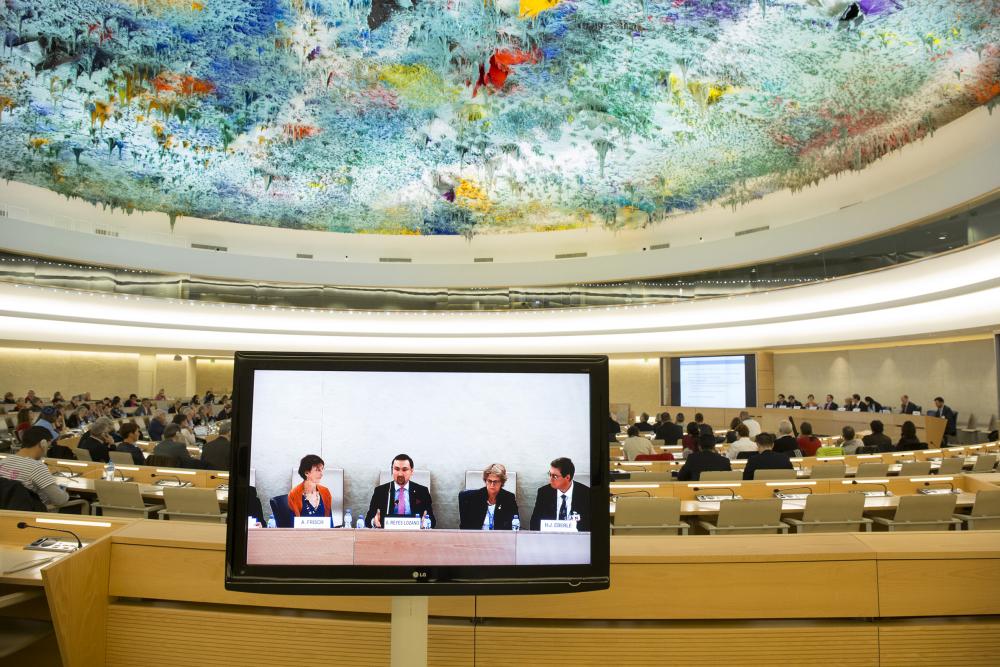
On the 99th anniversary of the end of World War I, more than 1,200 people gathered in Geneva, Switzerland, for Rotary Day at the United Nations.
Representing 87 countries, they convened on Saturday, 11 November, at the Palais des Nations, originally the home of the League of Nations, and dedicated themselves to the theme introduced by Rotary President Ian H. S. Riseley: “Peace: Making a Difference.”
Rotary International honors six champions of peace at the United Nations on 11 November.
“The advancement of international understanding, goodwill, and peace have always been among Rotary’s primary goals,” said Riseley. “It is past time for all of us to recognize the potential of all of our Rotary service to build peace, and approach that service with peacebuilding in mind.”
For the first time in its 13-year history, Rotary Day at the UN was held outside of New York.
Rotary Day concluded Geneva Peace Week, during which John Hewko, general secretary of Rotary International, noted the “close and longstanding ties between Rotary and the UN in (their) mutual pursuit of peace and international understanding.”
Rotary members “can transform a concept like peace to a reality through service,” said Ed Futa, dean of the Rotary Representatives to the United Nations. “Peace needs to be lived rather than preached.”
During a Rotary Day highlight, Hewko introduced Rotary’s 2017 People of Action: Champions of Peace. He praised them as “an embodiment of the range and impact of our organization’s work,” and saluted them for providing “a roadmap for what more peaceful, resilient societies look like.”
Rotary honored six individuals, who each made brief remarks. They were:
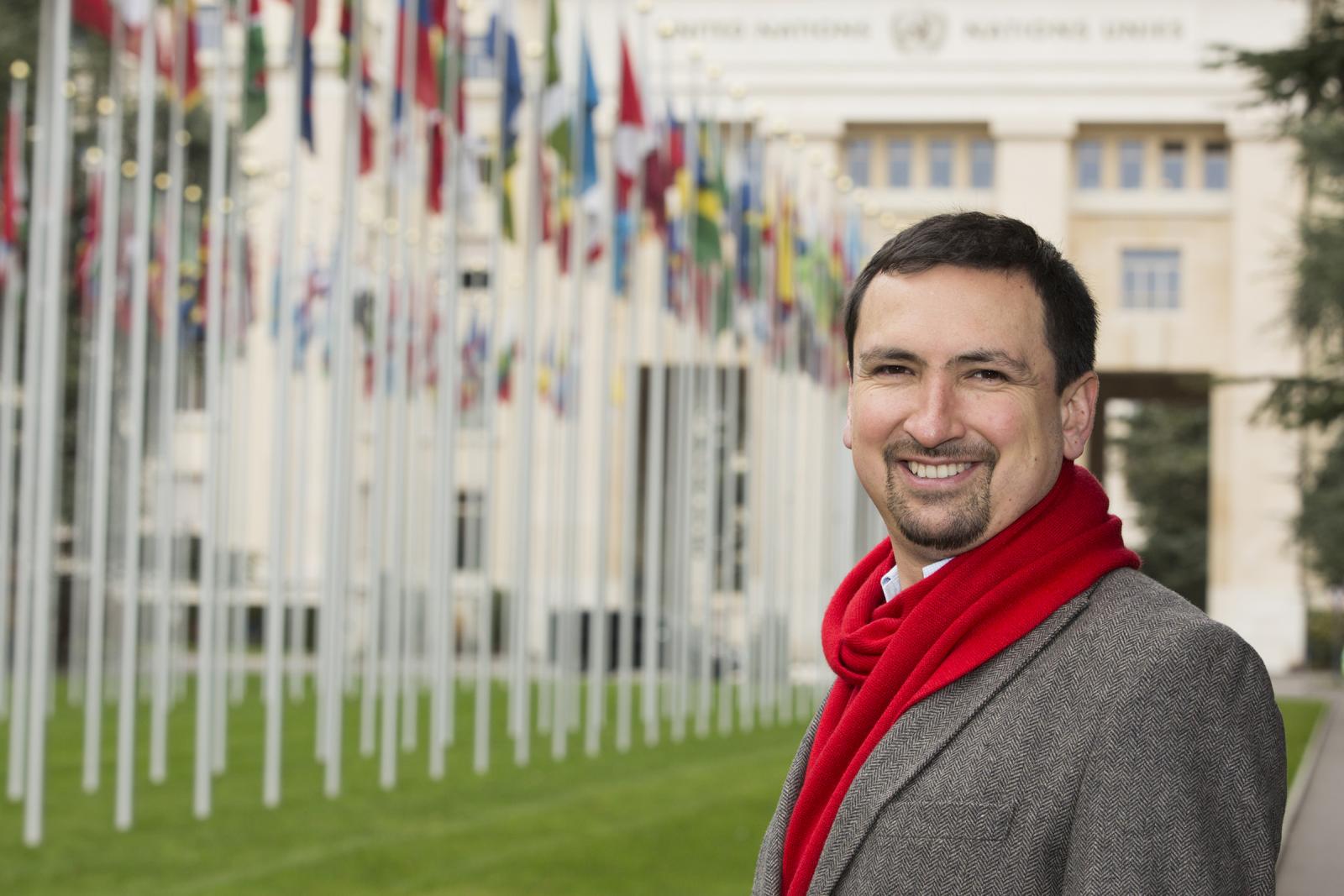
Alejandro Reyes Lozano, of the Rotary Club of Bogotá Capital, Cundinamarca, Colombia: As "part of the generation that grew up with uncertainty and fear,” as he put it, Reyes Lozano played a key role in negotiating an end to the 50-year conflict between the Colombian government and the Revolutionary Armed Forces of Colombia (FARC). Now he's using a Rotary Foundation global grant to lead peacebuilding efforts among women from six Latin American countries.
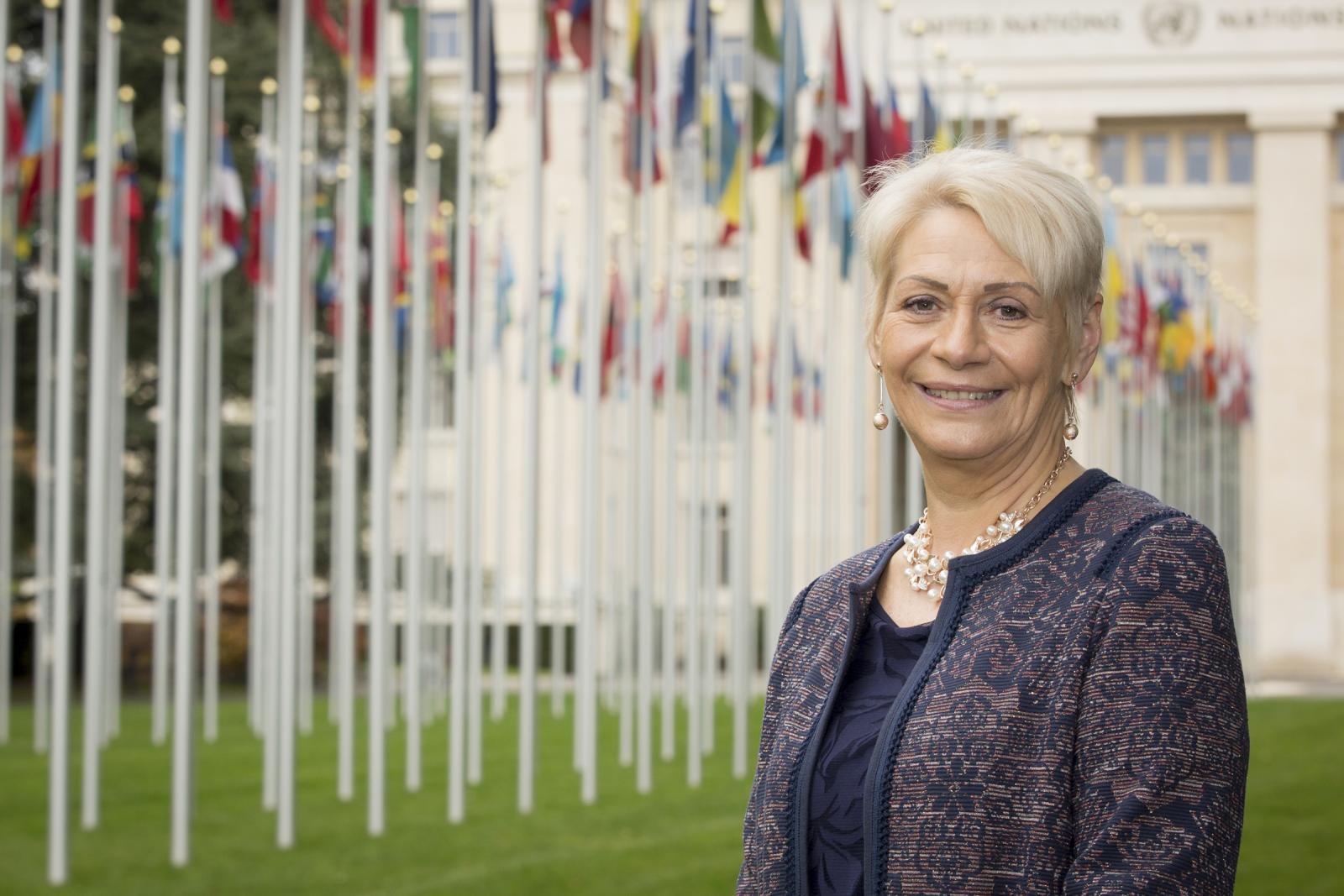
Jean Best, of the Rotary Club of Kirkcudbright, Dumfries and gallowayScotland: “Without peace within ourselves we will never advance global peace,” said Best, explaining The Peace Project, the program she created to help “the future leaders of peace” develop the skills they need to resolve the conflicts in their lives.
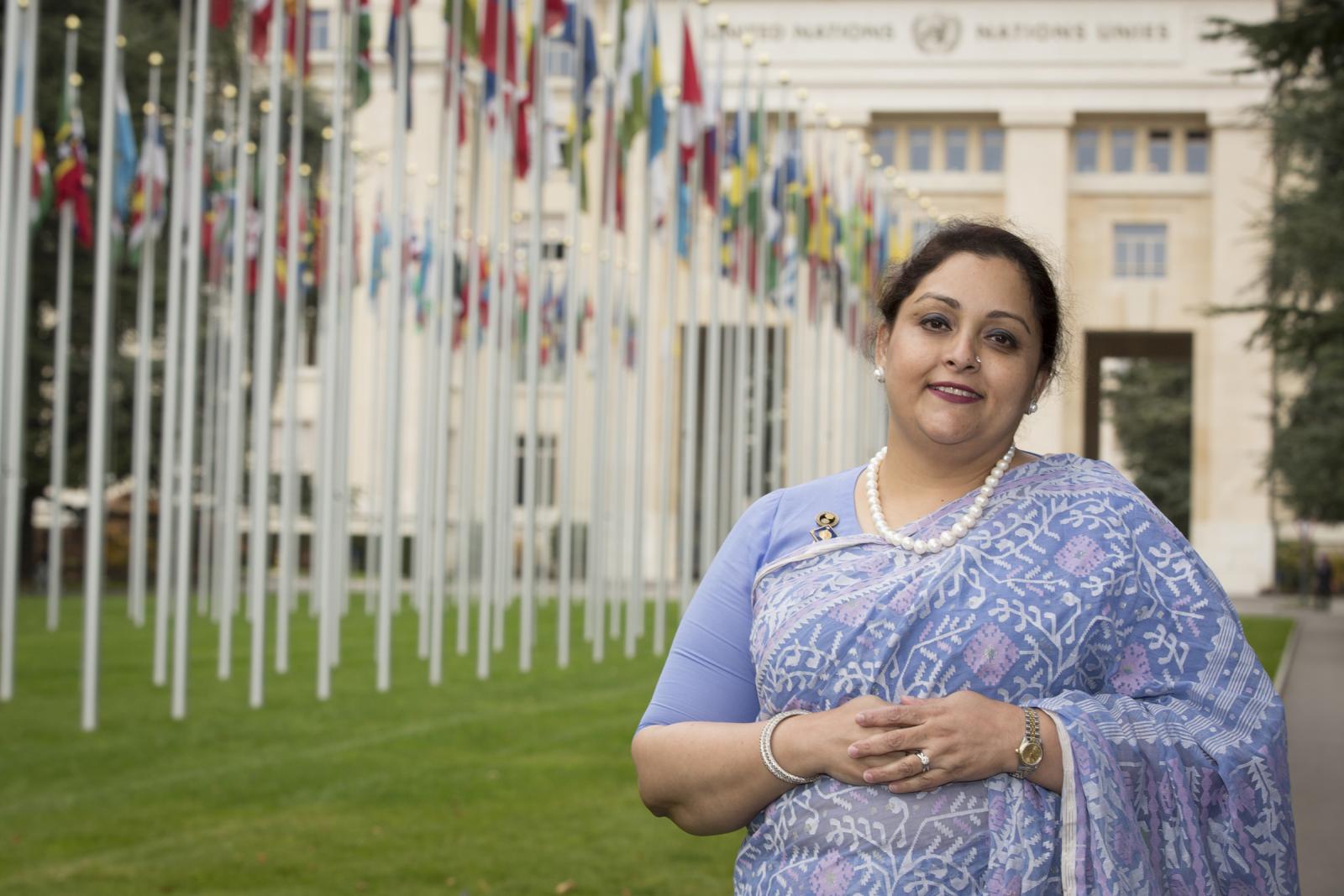
Safina Rahman, of the Rotary Club of Dhaka Mahanagar, Bangladesh: “Education is a powerful and transformative vehicle for peace,” said Rahman, a passionate advocate for workers’ rights and workplace safety who also promotes and provides educational and vocational opportunities for girls.
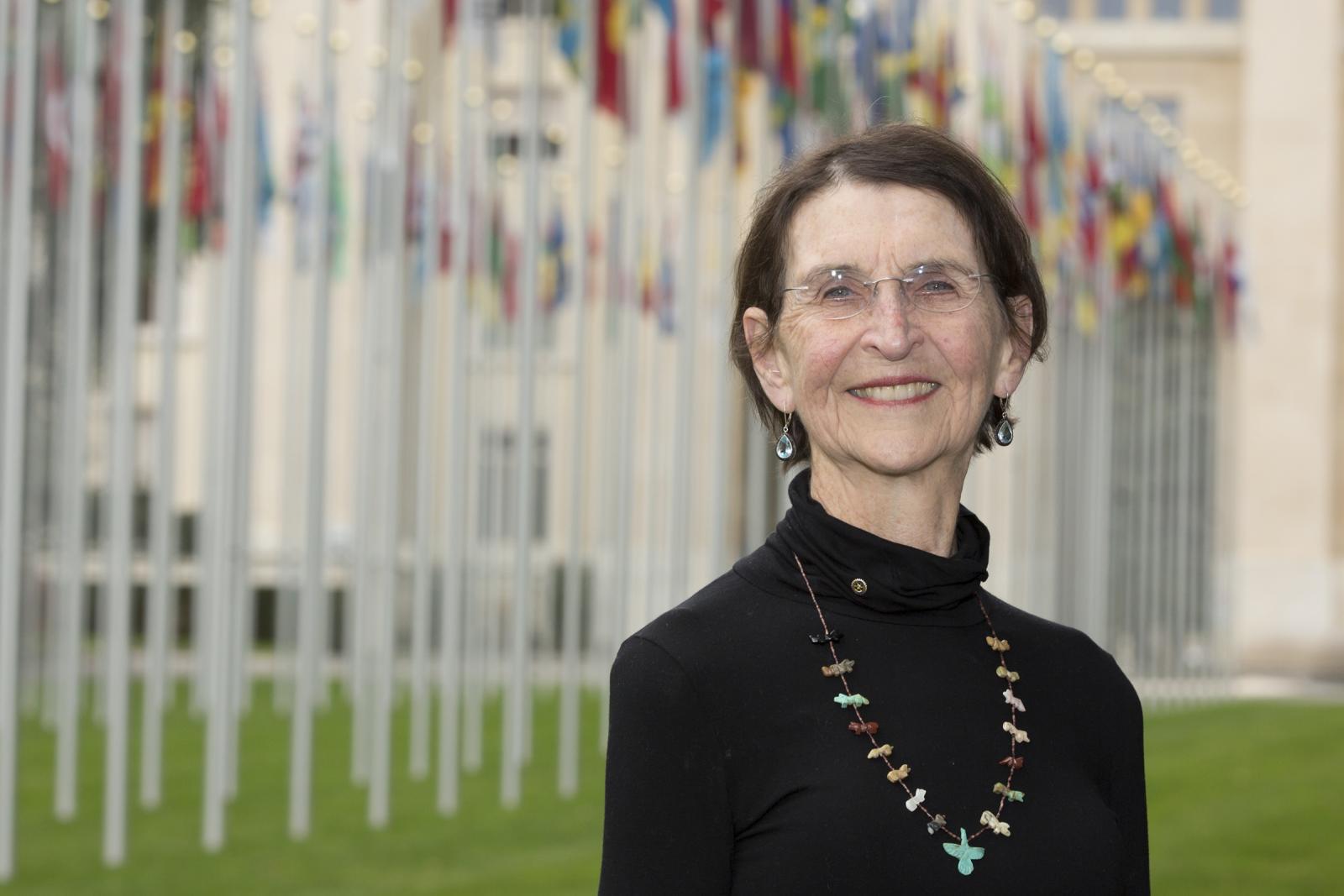
Ann Frisch, of the Rotary Club of White Bear Lake, Minnesota, USA: Frisch’s Civilian-Based Peace Process introduced the radical concept of “unarmed civilian protection” in war zones around the world. “Sustainable peace,” she said, “requires strong civilian engagement.”
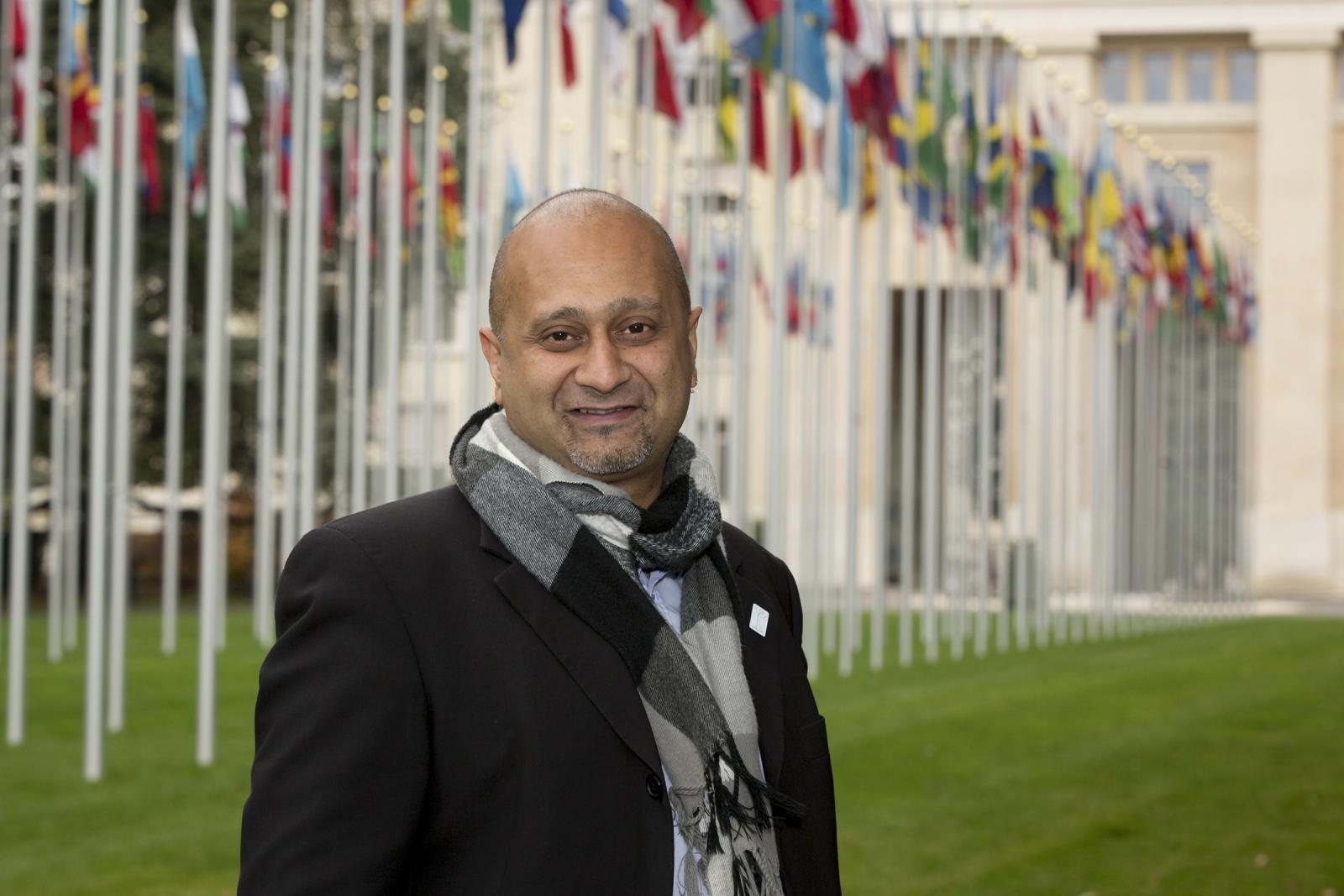
Kiran Singh Sirah, Rotary Peace Fellow: As the president of the International Storytelling Center in Jonesborough, Tennessee, USA, Sirah uses stories to foster peace, nurture empathy, and build a sense of community. “Stories matter—and I believe they matter a lot,” he said.
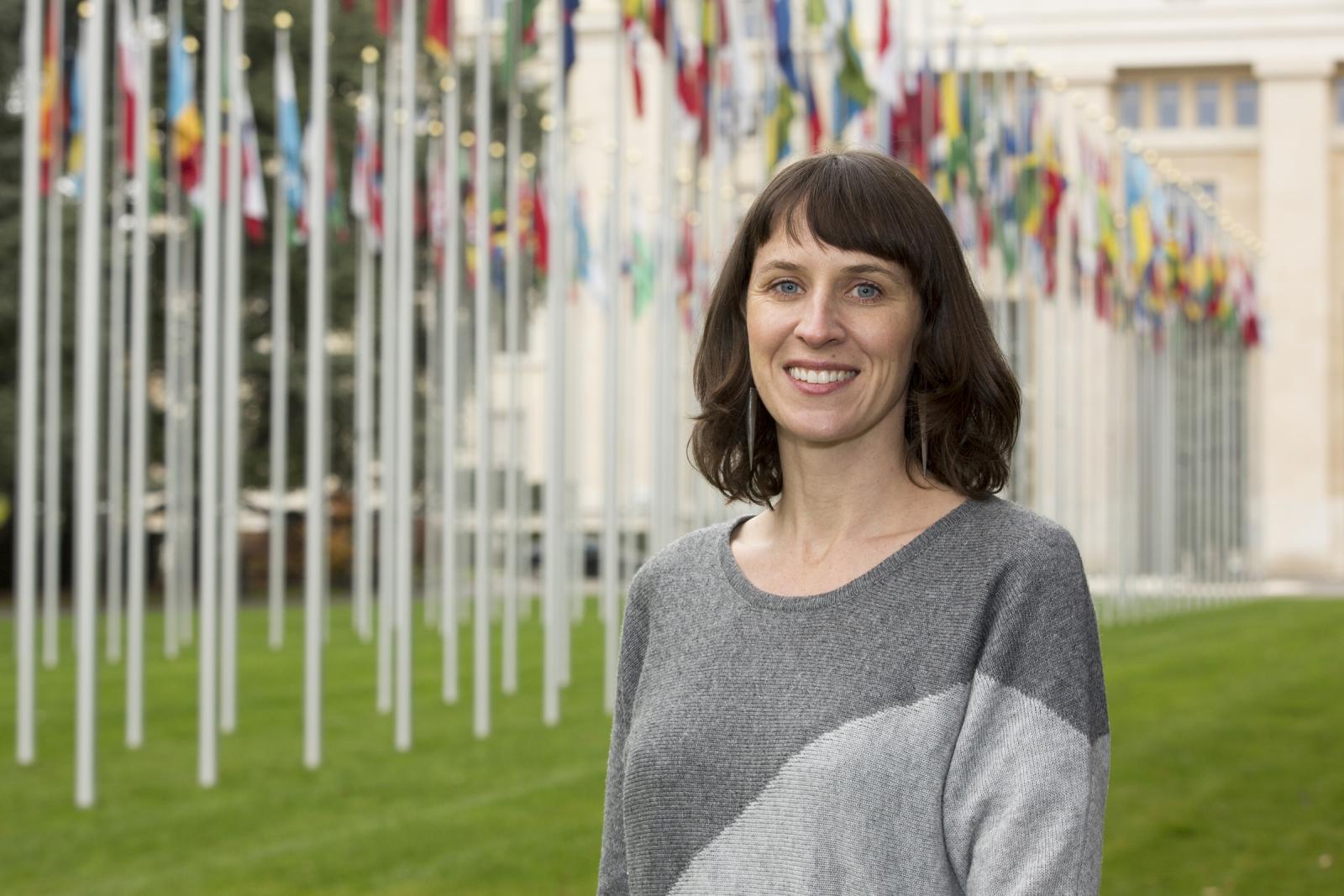
Taylor Cass Talbot, Rotary Peace Fellow: Currently based in Portland, Oregon, USA, Cass Talbot partnered with SWaCH, a waste-picker cooperative in India to form Pushing for Peace, which promotes safety, sanitation, and dignity for waste pickers in Pune, India. Her advocacy displays an artistic flair: her Live Debris project creatively addresses issues of waste on a global scale.
4 of 6
Ann Frisch, of the Rotary Club of White Bear Lake, Minnesota, USA: Frisch’s Civilian-Based Peace Process introduced the radical concept of “unarmed civilian protection” in war zones around the world. “Sustainable peace,” she said, “requires strong civilian engagement.”
Later, the six honorees participated in workshops devoted to sustainability and peace, as well as a workshop on education, science, and peace designed by and for young leaders in which Rotaract members from around the world played a prominent role.
Dr. Michel Zaffran, the director of polio eradication at the World Health Organization, provided an update on efforts to eradicate polio. They noted the tremendous progress made by Rotary, WHO, the Bill & Melinda Gates Foundation, and other partners in eliminating 99 percent of all global incidences of polio.
Returning the focus to peace, Zaffran said: “This same international relationship (that’s eradicating polio),” he said, “can be used to achieve world peace.”
Zaffran was joined Her Excellency Mitsuko Shino, the deputy permanent representative of Japan to the international organizations in Geneva and co-chair of Global Polio Eradication Initiative's Polio Partners Group.
In his keynote address, Riseley made a similar observation. “The work of polio eradication, has taught us . . . that when you have enough people working together, when you understand the problems and the processes, when you combine and leverage your resources, when you set a plan and set your targets — you can indeed move mountains,” he said. “And the need for action, and cooperation, is greater now than ever before.”
Watch the opening session of Rotary UN Day including remarks by the 2017 People of Action: Champions of Peace.
Be a mentor of future Rotarians. If you’re interested in presenting a career talk at an Emmaus High School Interact Club meeting, please contact Anthony Moyer at anmoyer1229@gmail.com.
The meetings will take place at 2:35 PM on the following dates: 3/1, 4/5, 5/3, and 6/7.